1. The location. Imagine you're a new homeowner looking at a house in a scenic and quiet part of the country. The drive that seemed beautiful when going to view the house is now just an inconvenience when you forgot to get milk on the way home. If you want to buy in the countryside, look for homes that are still close enough to at least a convenience store in case you need something like cold medicine on short notice.
At the very least, try driving from your new home to work at least once, so you can get the feel of whether this is a daily route you want to be taking, possibly for years to come. If you have children, you'll also want to make sure the school district is one that you like.
2. The neighborhood noise. Your new house may seem like it's practically on top of a neighbor's house. Or perhaps you might have to back your car out of your driveway onto a busy road. Maybe your prospective home is next to a loud freeway. That noise may eventually grate on your nerves.
While viewing homes, there is always a lot of conversation and sometimes excitement going on, and many times, it isn't until after the purchase they realize the vehicle noise is a real problem they hadn't anticipated. Those quiet nights they expected to sit on the porch are now filled with auto and truck noises zooming down the road.
If you have some serious doubts about the neighborhood, such as whether that firehouse is too close or whether those high-voltage power lines could hurt your family or scare off future buyers when you someday sell, talk to your realtor. A knowledgeable agent will notice these things and point them out to the buyer.
3. A small number of electrical outlets. Nobody thinks about the number of electrical outlets a property has, but more people should.
When considering the physical condition of the interior of the house, don't ever think or say, 'Oh, we can add additional electrical outlets'. And if you decide to [add outlets], you'll find that you have to add another breaker box or another service entrance. As a rule of thumb, some experts suggest having outlets in rooms every six feet. Older homes, however, aren't likely to have that many, so make sure to think about what chargers and electronics you may be plugging into the walls.
4. The limited closet space. If you're contemplating investing in a home without walk-in closets or storage space, you should reconsider your decision. Don't buy a house without enough closet space. You will immediately need more.
If you think the closets seem a little small now, how are you going to feel when you have your belongings in them? And how are you going to feel years from now, when you've purchased more clothes and toys for the kids? Compare the closet space with what you have now, and if the closets are comparable or worse, try to come up with an action plan. Maybe, for instance, the basement is spacious enough that you'll want to keep a lot of items down there.
Call Denny today. He's here for all your Real Estate needs including finding that quality home that's perfect for you!
(717) 653-2646 or 717-371-7841 Click here to visit his website
Source: https://realestate.usnews.com/real-estate/articles/6-things-about-your-new-house-you-will-hatein-10-years


 RSS Feed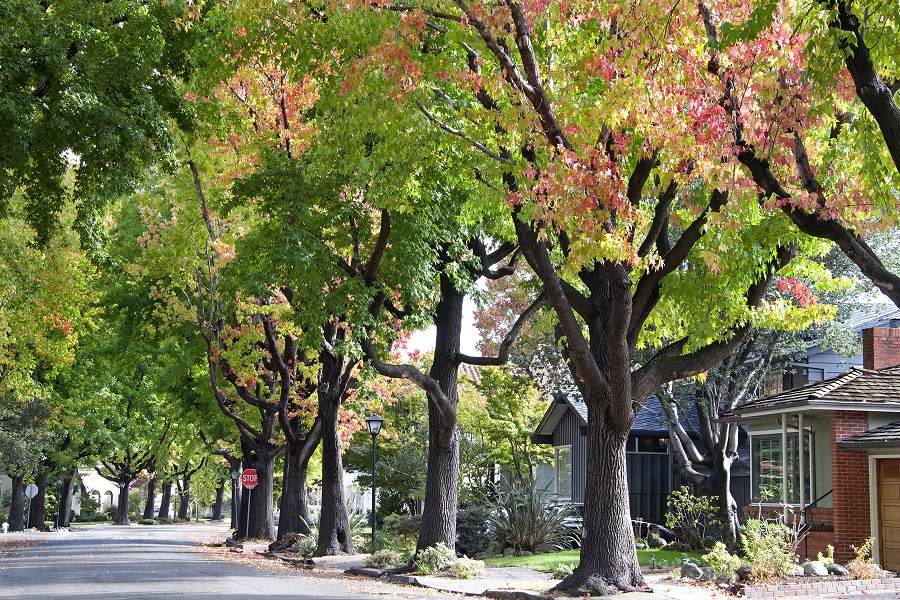




 Corporate Office - 215 S Centerville Rd. Lancaster, PA 17603